All outside is dark and cold
But just beneath the earth
Sleep seeds from which new life springs
Bringing nature’s gifts to birth
—Betty Jones
It’s winter in the garden. Students have given the remaining winter-friendly vegetables a straw mulch blanket. Brassicas especially enjoy continuing to grow after it begins to frost. Their flavor becomes richer and sweeter. Brassicas include broccoli, Brussels sprouts, cauliflower, cabbage, collards, kale and rapini among others. In the LIONS Garden we still have cabbage, collard greens and kale growing as well as a few Swiss chard plants. Aphids have found us and we’re trying to get them under control with the help of a plant-based organic pesticide from Farmer John. The term pesticide doesn’t always refer to harmful chemicals. Man-made plant-based pesticides can be used in organic gardening to control the pests that like to feast on vegetables.
The students used the water cycle model to understand why when the weather turns colder there is no need to water the garden until Spring. When the sun isn’t heating up the water in the soil, evaporation is significantly lessened. The soil retains its moisture.
At our last meeting, the Green LIONS Garden Group worked to balance our aphid assault by encouraging life in other species—birds and squirrels. We made edible ornaments to feed the birds and squirrels in our community to celebrate the winter solstice. We learned about the history of the solstice and how many aspects of early winter solstice celebrations have been adopted into Christmas and Hanukkah, like decorating with evergreens and using symbols of light through candles. The winter solstice is the shortest day of the year and it’s a celebration of the return of the light and thus a return of bountiful harvests. Seemed pretty apropos for our garden group!


After taking care of our feathered and furry friends the students also learned steps we can take to keep ourselves healthy during the winter. While we’re not outside in the sun as much as we are in warmer months, our production of Vitamin D, which is stimulated by sun exposure, is lessened. Consider talking with your pediatrician about adding a Vitamin D supplement. Chewable supplements can be found easily at places like Heritage Natural Market on Laskin here in town. See their link in our Green Links section.
Adding an Omega 3 supplement is also a great idea especially in cooler months. Not only does it support brain health, great for growing kids’ minds, but it also helps to regulate moods which can sometimes fluctuate in cooler months. Historically, we got plenty of Omega 3’s from eating wild fish, wild greens, and wild game. Our food production has changed significantly and Omega 3’s are not as prevalent. As always, talk with your pediatrician before starting any new supplements.
Using humidifiers in our homes can also help ward off colds and allergy symptoms when the temperatures drop outside and the heat kicks in inside. The heat in our homes and schools can dry out mucous membranes in our nasal passages which help to block out viruses and allergens. When these linings are thinner, we’re more prone to respiratory ailments. Adding humidity can help and also keep our skin from getting dry and itchy.
Involving our children in these healthy steps is a great learning experience. An interesting lesson on using herbs for health with children can be found at http://rhythmofthehome.com/2011/11/teaching-kids-about-herbs-healing-herbs-for-winter/. We’ve recently added this site and Soulemama.com to our Green Links. They’re nice sites to explore to get ideas and inspiration for embracing home and togetherness in these colder days. We’ve also added
Simplicity Parenting by Kim John Payne to our book list. While not technically a garden book, it gives wonderful direction on how using simple practices like being in nature and adding more rhythm to our children’s lives can benefit the whole family.


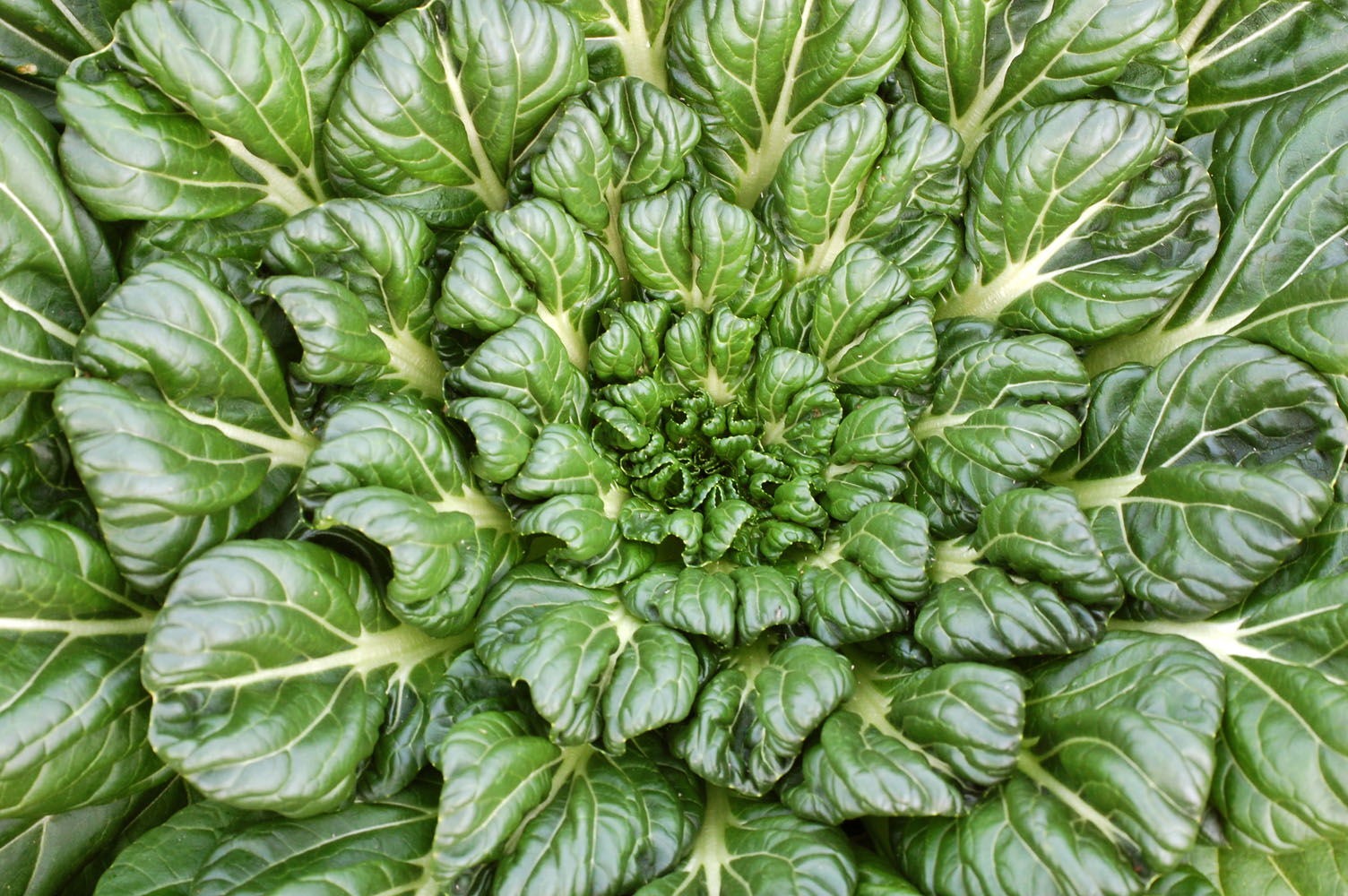


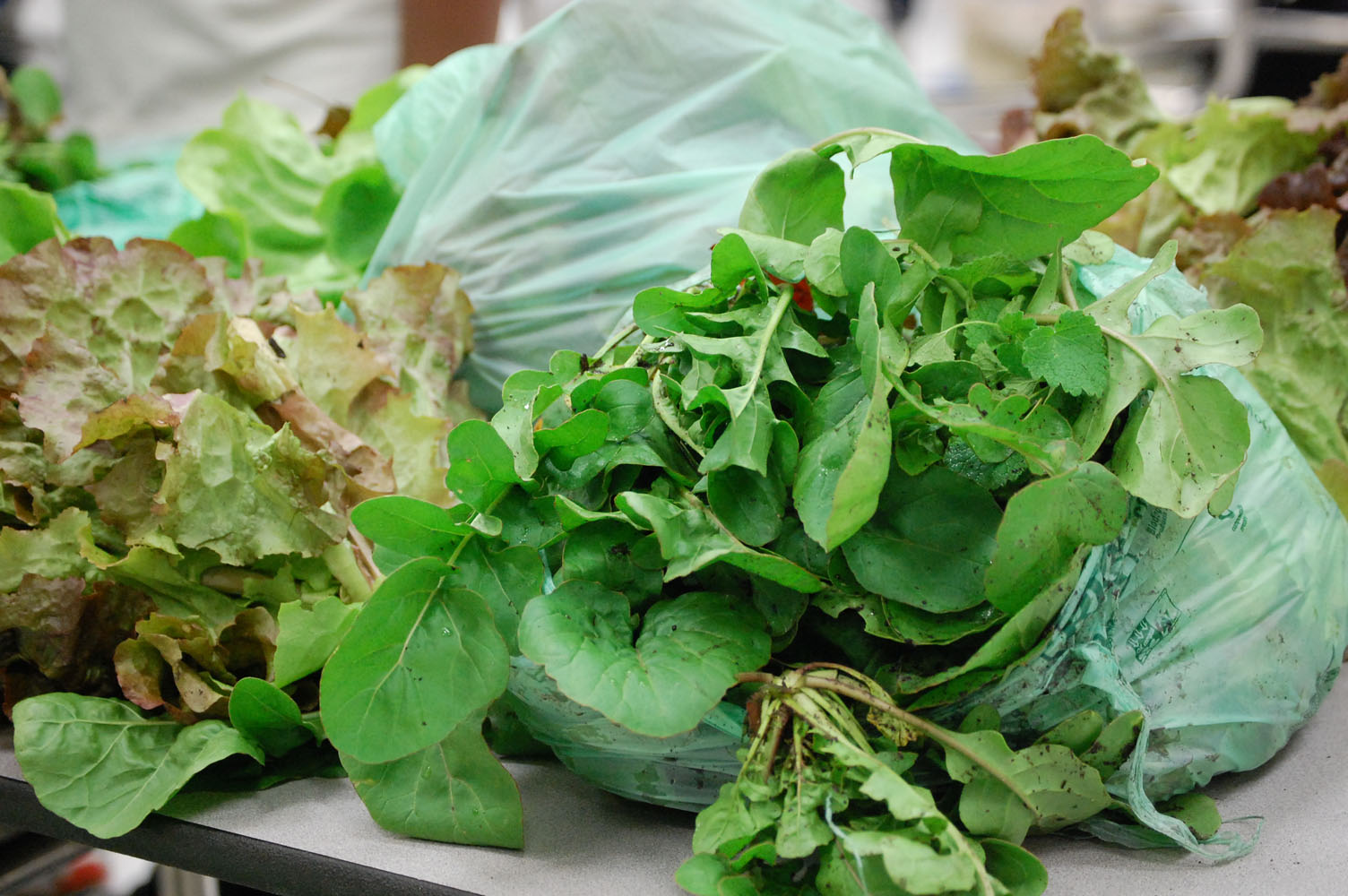 Our lettuce and arugula were ready to be harvested. The students sampled a lettuce bowl of mixed lettuces and arugula they grew themselves along with organic radishes and carrots, and New Earth Farm Farmer John's red peppers. We offered a Balsamic Vinaigrette and the recipe follows. There were smiling faces all around. The Garden Group members each took a bag of mixed greens home to share with their families.Balsamic Vinaigrette: Shake together in a tightly closed jar 3 T balsamic vinegar, 1 T Dijon mustard, 2 T extra virgin olive oil, 3 T canola oil, 1 T finely chopped fresh basil, salt and freshly ground pepper to taste, pinch of minced fresh garlic. Enjoy!


