The Green LIONS Garden Group has been hard at work preparing the LIONS Garden for winter and also enjoying its winter offerings. At our last 2012 meeting before the holiday break we talked of the history of the winter solstice and what it means for farmers and gardens. The winter solstice is the shortest day of the year, the darkest day of the year in our area, but also signifying the return of the sun. The return of the sun means the return of the life force in a garden. This day is celebrated in many ways around the world but a reverence for nature is at the core of most celebrations. We celebrated by making edible birdseed ornaments for the birds or squirrels in our community.
During this time of year many birds and squirrels are depleted in important nutrients since bugs and worms are not readily available. If you have bird feeders, it’s important to keep them filled. My own family adorned a tree in our yard with these ornaments and after they eventually fell to the ground, a family of happy squirrels carried them off to enjoy the combination of birdseed, gelatin, and flour.
At this same meeting we sampled our Daikon and Easter Egg radishes. We also prepared the garden and our new blueberry and Vitex bushes with leaf mulch thanks to Farmer John of New Earth Farm. It’s important to not leave garden soil bare for long periods of time no matter what time of year, so leaf mulch protects the climate in the soil until we can plant again in the spring.
Our winter garden was ready to share its last crops of cabbage, broccoli, and kohlrabi so at our meeting this week we sampled all three in a hearty vegetable soup. We also had plenty of harvested crops for everyone to take home something to share with their families. See further in this post for a general recipe.
We were also fortunate enough to have Deedra Dills of Dills Architects, and also Green LIONS Garden Group parent representative, speak to the students on energy sources, energy conservation and sustainable building practices. The students were very interested in Ms. Dills slide show and asked many questions throughout the presentation. Ms. Dills spoke of the many innovative ways that Dills Architects uses sustainable building materials and practices in their designs, like zero-run-off sites where no rainwater is wasted, solar energy, recycled materials and much more. She also related to the students in how they can conserve energy themselves at home and in their lives. Providing kids with examples of how they can be environmentally-friendly empowers them and makes them excited about caring for the planet. Thank you Deedra for your wonderful, thorough presentation.
The soup was was not made by a recipe but below are the general directions and the ingredients we chose to include. This soup can be modified for taste in a multitude of ways.
Vegetable Soup
1-2 large onions, chopped
4 ribs of celery, chopped
3-4 carrots, chopped
kohlrabi bulbs, peeled and chopped
broccoli florets, chopped from roughly 1 head of broccoli
1 small butternut squash, peeled and chopped
1 medium head of cabbage, chopped
6-8 cups of chicken or vegetable stock, or water, amounts may vary depending on taste
1 bay leaf
1 Parmesan rind
salt and pepper to taste
Cook the onions with a little salt and pepper in a large pot over medium-low heat for about 30 minutes. Keep the heat low enough so that the onions begin to caramelize but not burn. Turn the heat up to medium and add the celery and carrots. Saute until they begin to soften. Add the kohlrabi, broccoli and squash. Cook a little longer. Add the cabbage and the remaining ingredients and bring to a boil. Reduce to a simmer and cook for around an hour, or longer if desired, until vegetables are cooked through.
Note: saving the end rinds of Parmesan when you have used all of the cheese in a bag in the freezer provides an easy way to add nice flavor to soups and stews. Allow the rind to cook in the soup but remove before serving. Enjoy!
Wednesday, January 9, 2013
Tuesday, December 4, 2012
Sustainable Season
The Green LIONS Garden Group had a welcome visit from Maureen Anderson and her daughter from Hearthside Farm, http://www.thefullnessthereof.blogspot.com, at our meeting yesterday. Maureen is a regular visitor and mentor to our program and once again delivered a presentation full of rich and exciting history on native crafts and sustainable living. She and her family raise goats and sheep and make luscious soaps and beautiful wool yarn among many, many other sustainable farm goodies.
Maureen spoke with the students in depth about beekeeping and its importance and the health benefits of honey, bee pollen and beeswax. Even the adults learned something new when she spoke of how simply burning a beeswax candle can affect air quality in our home. When you walk outside after a storm you may notice a difference in the air. That is because lightening creates negative ions in the air and negative ions attach themselves to pollutants and pull them down out of the air to the ground. Burning a beeswax candle has a similar affect on indoor air pollutants. Beeswax candles do not produce soot when they burn, but they do produce negative ions which cleanse the air by removing dust, dirt, odor and other pollutants we breathe. Burning a beeswax candle when you have a cold or the flu helps you recover faster. How exciting to learn!
Maureen also taught the students the steps taken from raising a sheep to producing the yarn that makes up much of our clothing. Learning this interesting cycle from source to finished product is an important teaching for students to understand about our food cycles and where many of our day-to-day items come from. Understanding the source of products we consume and the journey they take helps us in our purchasing choices. And seeing the benefit to us and the environment in choosing products grown or produced closer to home is a vital and priceless lesson.
The students worked with beeswax to make lip balm for either themselves or to “elve” away at the holidays. We mixed beeswax from Hearthside Farm with organic olive oil and honey to make a simple lip balm. A beeswax-based lip balm is much healthier than a petroleum-based balm for our bodies and the planet.
We also harvested our kale in the garden. As our garden enters its winter mode we chose to harvest the kale for the students to take home to share with their families, and to share with our school cafeteria rather than leaving the kale to winter. While kale and other cole crops can survive over winter (they stay in somewhat of a suspended animation state, not growing but also not dying) and you can enjoy them through the winter by just removing their outer leaves and leaving the plant center, we chose to harvest all three varieties in the spirit of the giving season to share with everyone. We still have broccoli and cabbage in the garden still growing and thriving. Yum!
Maureen spoke with the students in depth about beekeeping and its importance and the health benefits of honey, bee pollen and beeswax. Even the adults learned something new when she spoke of how simply burning a beeswax candle can affect air quality in our home. When you walk outside after a storm you may notice a difference in the air. That is because lightening creates negative ions in the air and negative ions attach themselves to pollutants and pull them down out of the air to the ground. Burning a beeswax candle has a similar affect on indoor air pollutants. Beeswax candles do not produce soot when they burn, but they do produce negative ions which cleanse the air by removing dust, dirt, odor and other pollutants we breathe. Burning a beeswax candle when you have a cold or the flu helps you recover faster. How exciting to learn!
Maureen also taught the students the steps taken from raising a sheep to producing the yarn that makes up much of our clothing. Learning this interesting cycle from source to finished product is an important teaching for students to understand about our food cycles and where many of our day-to-day items come from. Understanding the source of products we consume and the journey they take helps us in our purchasing choices. And seeing the benefit to us and the environment in choosing products grown or produced closer to home is a vital and priceless lesson.
The students worked with beeswax to make lip balm for either themselves or to “elve” away at the holidays. We mixed beeswax from Hearthside Farm with organic olive oil and honey to make a simple lip balm. A beeswax-based lip balm is much healthier than a petroleum-based balm for our bodies and the planet.
We also harvested our kale in the garden. As our garden enters its winter mode we chose to harvest the kale for the students to take home to share with their families, and to share with our school cafeteria rather than leaving the kale to winter. While kale and other cole crops can survive over winter (they stay in somewhat of a suspended animation state, not growing but also not dying) and you can enjoy them through the winter by just removing their outer leaves and leaving the plant center, we chose to harvest all three varieties in the spirit of the giving season to share with everyone. We still have broccoli and cabbage in the garden still growing and thriving. Yum!
Tuesday, November 27, 2012
Notable November
The Green LIONS Garden Group has had an exciting end to November. We welcomed two very special guests to join us and share their knowledge and passion with the students.
Last week we welcomed Bruce Rozeboom of Fruitive and his wife to share their juicing skills with the students. Not only are they committed to using fresh fruits and vegetables to make delicious healthy juices and smoothies but they are also avid environmentalists and supporters of local farmers like our own Farmer John of New Earth Farm.
Bruce kept the students interested with a vast array of environmental lessons like how to help the planet through their food choices. He taught them how to choose produce in the grocery store by the numbers on their labels. Fruits and vegetables come with tags that have a 4- or 5-digit code and this code helps determine how they were grown. If your produce label has 4 digits, it means that the produce was conventionally grown, not organically grown. If the label has 5 digits, and begins with a 9, it means that the produce was organically grown. Remember “Nine is Fine”. A 5-digit code that begins with an 8 indicates that the produce was genetically modified. See this link for further explanation on how to read produce labels, http://kblog.lunchboxbunch.com/2009/04/how-to-read-produce-sticker-organic.html.
The highlight of the meeting, however, was the smiles on the faces of the kids as they sampled the delicious juices and smoothies served up by Fruitive. They shared their Pineapple Express Juice and Peaches & Greens Smoothie menu features and received multiple “more please!” requests. Many of the students who didn’t think they liked greens were happily surprised at how they could enjoy them in a smoothie. The Pineapple Express Juice is made with pineapple, pear, ginger and aloe vera. The Peaches & Greens Smoothie is made with frozen peaches and bananas, orange juice, almond milk, spinach and featured our own garden kale from the LIONS Garden. Yum!
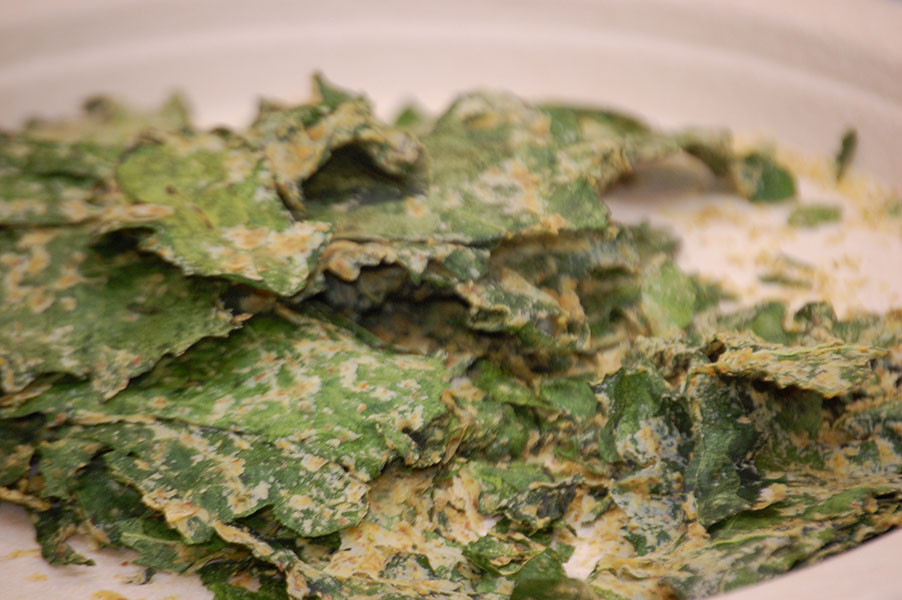
We also enjoyed kale chips made two ways. One with our LIONS Garden kale baked with olive oil, sea salt and pepper, and one from Fruitive made with New Earth Farm kale dehydrated with a sauce made of soaked cashews, sunflower seeds, and flax seeds, nutritional yeast, sea salt, paprika and zucchini. Both were delicious and soon devoured!
Visit Fruitive at Hilltop to enjoy their amazing juices, smoothies and salads! www.fruitive.com
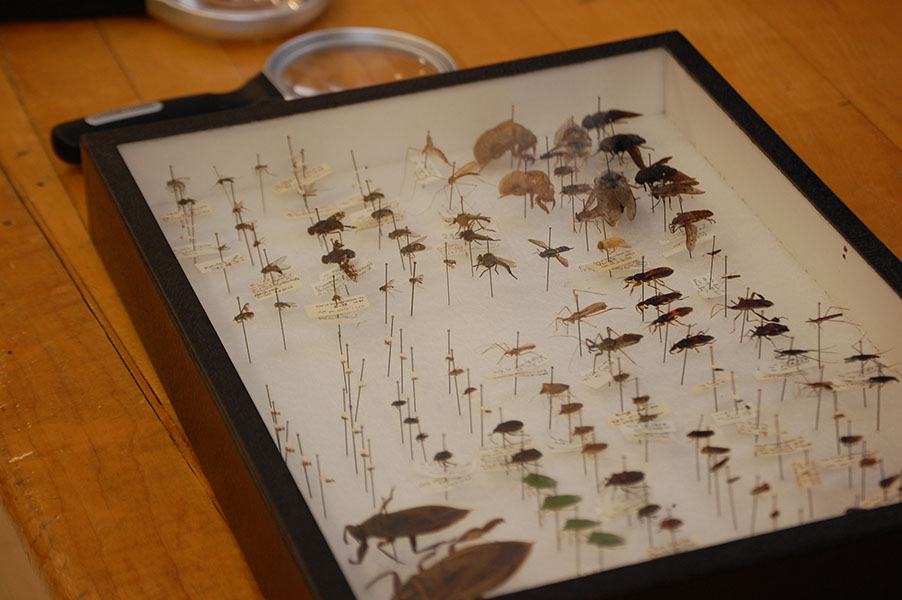
Yesterday we welcomed another guest, Master Nurseryman, and Linkhorn grandparent, Marie Dills. Ms. Dills oversaw the commercial division of Winesett Nursery for years before moving on to work at the Virginia Beach Virginia Tech Agricultural Station’s Entomology Department as a “Bug Scientist”. Ms. Dills taught the students about beneficial bugs and insects and their purpose in our gardens and environment. She brought her personal preserved bug collection and the kids were enthralled.
Bugs are an important part of the life cycle in helping either bolster “producers”, plants that “consumers” can eat, or acting as “detritivores”, a type of decomposer that helps to break down dead plant and animal material. Worms also act as detritivores and the students took home a couple of worms each from our worm bin in a mini composting system in a jar. We layered sand, garden soil and compost to make a temporary habitat for the worms. We covered the jar with burlap for breathability, wrapped it in newspaper to keep our the light and the students can observe the worms at work churning up the layers over the next couple of weeks. Then they’ll release the worms back into a garden or yard into their natural habitat.
Last week we welcomed Bruce Rozeboom of Fruitive and his wife to share their juicing skills with the students. Not only are they committed to using fresh fruits and vegetables to make delicious healthy juices and smoothies but they are also avid environmentalists and supporters of local farmers like our own Farmer John of New Earth Farm.
Bruce kept the students interested with a vast array of environmental lessons like how to help the planet through their food choices. He taught them how to choose produce in the grocery store by the numbers on their labels. Fruits and vegetables come with tags that have a 4- or 5-digit code and this code helps determine how they were grown. If your produce label has 4 digits, it means that the produce was conventionally grown, not organically grown. If the label has 5 digits, and begins with a 9, it means that the produce was organically grown. Remember “Nine is Fine”. A 5-digit code that begins with an 8 indicates that the produce was genetically modified. See this link for further explanation on how to read produce labels, http://kblog.lunchboxbunch.com/2009/04/how-to-read-produce-sticker-organic.html.
The highlight of the meeting, however, was the smiles on the faces of the kids as they sampled the delicious juices and smoothies served up by Fruitive. They shared their Pineapple Express Juice and Peaches & Greens Smoothie menu features and received multiple “more please!” requests. Many of the students who didn’t think they liked greens were happily surprised at how they could enjoy them in a smoothie. The Pineapple Express Juice is made with pineapple, pear, ginger and aloe vera. The Peaches & Greens Smoothie is made with frozen peaches and bananas, orange juice, almond milk, spinach and featured our own garden kale from the LIONS Garden. Yum!
We also enjoyed kale chips made two ways. One with our LIONS Garden kale baked with olive oil, sea salt and pepper, and one from Fruitive made with New Earth Farm kale dehydrated with a sauce made of soaked cashews, sunflower seeds, and flax seeds, nutritional yeast, sea salt, paprika and zucchini. Both were delicious and soon devoured!
Visit Fruitive at Hilltop to enjoy their amazing juices, smoothies and salads! www.fruitive.com
Yesterday we welcomed another guest, Master Nurseryman, and Linkhorn grandparent, Marie Dills. Ms. Dills oversaw the commercial division of Winesett Nursery for years before moving on to work at the Virginia Beach Virginia Tech Agricultural Station’s Entomology Department as a “Bug Scientist”. Ms. Dills taught the students about beneficial bugs and insects and their purpose in our gardens and environment. She brought her personal preserved bug collection and the kids were enthralled.
Bugs are an important part of the life cycle in helping either bolster “producers”, plants that “consumers” can eat, or acting as “detritivores”, a type of decomposer that helps to break down dead plant and animal material. Worms also act as detritivores and the students took home a couple of worms each from our worm bin in a mini composting system in a jar. We layered sand, garden soil and compost to make a temporary habitat for the worms. We covered the jar with burlap for breathability, wrapped it in newspaper to keep our the light and the students can observe the worms at work churning up the layers over the next couple of weeks. Then they’ll release the worms back into a garden or yard into their natural habitat.
Thursday, November 8, 2012
Blueberry Fields Forever
We’re expanding! At our last Green LIONS Garden Group meeting we gave 13 blueberry, butterfly and Vitex bushes a new home at Linkhorn beside our two brand new garden beds. The students were eager and willing to dig in the dirt. I have always heard that kids like using tools but this meeting proved it for this group.
Stay tuned for even more expansion plans for our garden area. It truly is a gift to be able to integrate plants and gardens into our schools. Not only is there much to learn from growing plants in so many different fields of study, but studies show that working outside and with the earth is calming and grounding for kids...for all of us!
Thank you Farmer John for helping us add this new facet to our garden area. Can’t you already smell the blueberry cobbler?! Visit the garden to see our work in progress and our beautiful Fall greens.
Stay tuned for even more expansion plans for our garden area. It truly is a gift to be able to integrate plants and gardens into our schools. Not only is there much to learn from growing plants in so many different fields of study, but studies show that working outside and with the earth is calming and grounding for kids...for all of us!
Thank you Farmer John for helping us add this new facet to our garden area. Can’t you already smell the blueberry cobbler?! Visit the garden to see our work in progress and our beautiful Fall greens.
Subscribe to:
Posts (Atom)